
Revia medicine overview
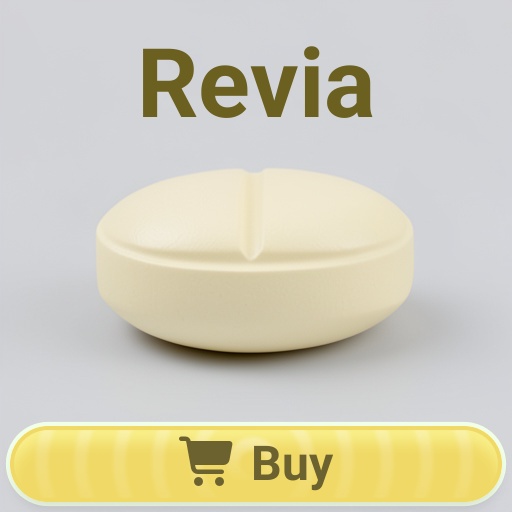 Revia is a brand name for naltrexone, a medicine that blocks the effects of opioids. It has been used as part of structured treatment plans for alcohol dependence and opioid dependence. Availability of the Revia brand itself may vary in Sweden, while naltrexone may be supplied under other approved names.
Naltrexone is not a replacement for counselling, social support, or medical follow-up. Treatment outcomes are generally better when medicine is combined with an individual recovery plan. A clinician should assess whether naltrexone is appropriate for the person’s circumstances.
This page provides general product information for people researching Revia in Sweden. It does not replace advice from a doctor, pharmacist, or addiction-care service. Product packs, strengths, and approved indications can differ between suppliers.
What Revia is used for
Revia may be prescribed to support abstinence or reduce relapse risk in people with alcohol dependence. It can reduce the rewarding effects associated with alcohol for some patients. It is usually used alongside psychosocial support rather than as a stand-alone approach.
It may also be used after opioid detoxification to help prevent relapse to opioid use. A person must be free from opioids before starting naltrexone. Taking it too soon after opioids can trigger severe, sudden withdrawal symptoms.
The intended use should be confirmed by a qualified prescriber. Naltrexone is not intended to manage acute alcohol withdrawal. It also does not provide pain relief or treat opioid withdrawal once it has begun.
Active ingredient and medicine class
The active ingredient in Revia is naltrexone hydrochloride. Naltrexone belongs to a group of medicines called opioid receptor antagonists. Its principal action is to block opioid receptors, especially mu-opioid receptors.
Inactive ingredients depend on the manufacturer and formulation. People with known sensitivities should review the current package leaflet before use. A pharmacist can help identify excipients when allergy or dietary concerns are relevant.
Revia tablets are commonly associated with oral naltrexone treatment. Do not assume that a branded product and another naltrexone tablet are identical in every inactive ingredient. Always follow the label and information supplied with the dispensed medicine.
Origin and development of naltrexone
Naltrexone was developed from earlier research into substances that could block opioid effects. It was created as a longer-acting opioid antagonist than naloxone, which is commonly used in opioid overdose emergencies. Its development expanded options for relapse-prevention treatment.
Early clinical use focused on opioid dependence after detoxification. Later research supported its use in alcohol dependence, reflecting the role of opioid pathways in alcohol reward for some individuals. Regulatory approvals and indications have varied by country and formulation.
Revia became one of the established oral brand names for naltrexone. Brand availability can change because of licensing, supply, and marketing decisions. Swedish patients should rely on current pharmacy and prescriber information rather than historical brand status.
How Revia works in the body
Revia attaches to opioid receptors without activating them. This prevents opioids such as heroin, morphine, and some prescription pain medicines from producing their usual effects. The blockade can also influence alcohol-related reward pathways.
Because naltrexone blocks opioid effects, it can make opioid pain treatment less effective. Emergency clinicians and dentists should be told that a person uses or recently used naltrexone. This information can affect pain-management planning.
The medicine does not cause an intoxicating effect. Its benefit depends on regular use as prescribed and on the wider treatment programme. Individual response can differ considerably.
Forms and strengths
Revia has historically been supplied as oral tablets containing naltrexone. A commonly known oral strength is 50 mg, but local products and pack sizes may differ. The product label and Swedish dispensing information should be checked for the exact strength.
Naltrexone also exists in other formulations in some markets, including long-acting injections. These are not interchangeable with oral tablets without medical direction. Formulation choice depends on indication, availability, adherence needs, and clinical assessment.
Never split, crush, or alter a tablet unless a pharmacist or prescriber confirms it is suitable. Using a different formulation changes how treatment is managed. Keep each medicine in its original labelled packaging.
Taking Revia safely
Take Revia exactly according to the prescriber’s instructions and the package leaflet. Dosing schedules may differ according to the treatment goal, medical history, and local product authorisation. Do not take an extra dose after a missed dose unless specifically advised.
Before treatment, clinicians commonly confirm that the person is not currently using opioids. This may involve a detailed medication history and, where appropriate, testing or a supervised opioid-free interval. Honesty about recent opioid, cough, diarrhoea, or pain-medicine use is important.
Taking tablets with food may help if nausea occurs, unless the supplied instructions say otherwise. A patient should contact the prescriber if side effects are troublesome or persistent. Do not stop a recovery plan simply because a dose has been missed.
How long Revia lasts
After an oral dose, naltrexone begins to act after it is absorbed, but the clinical opioid-blocking effect may last longer than the medicine’s presence in blood alone suggests. A usual tablet regimen is designed to provide ongoing receptor blockade. The exact duration varies between individuals and treatment plans.
Naltrexone is metabolised in the liver into active and inactive metabolites. Much of the medicine and its metabolites are eliminated through urine over time. Liver and kidney function can influence how the body handles the medicine.
People should not use elapsed time since their last tablet to decide whether opioids are safe or effective. Opioid sensitivity may be increased after stopping naltrexone, creating overdose risk if opioid use resumes. A clinician can provide personalised guidance on treatment changes.
Evidence and clinical research
Clinical research has evaluated naltrexone for alcohol dependence and for relapse prevention after opioid detoxification. Evidence supports its role for selected patients when it is combined with behavioural and clinical support. Its effectiveness is not identical for every person.
Research-based treatment decisions consider medical history, liver health, opioid exposure, mental health, and treatment preferences. Adherence is also important because oral treatment only works while it is taken as directed. Follow-up allows clinicians to review benefit and tolerability.
No medicine can guarantee abstinence or prevent every relapse. A treatment plan should include practical support for cravings, triggers, and emergency situations. In Sweden, addiction-care services can help coordinate this broader support.
Dependence and addiction potential
Revia is not considered addictive and does not produce opioid-like euphoria. It does not generally cause physical dependence in the way opioids can. Stopping it does not normally cause a classic withdrawal syndrome.
However, stopping naltrexone can remove opioid blockade. A person who returns to opioid use may be vulnerable to overdose because tolerance may have changed. Trying to overcome the blockade with large amounts of opioids is especially dangerous.
Dependence on alcohol or opioids remains a serious health condition requiring ongoing care. Revia can be one element of that care, not a cure by itself. Continued medical contact is important even when treatment appears to be going well.
Side effects and allergic reactions
Possible side effects of oral naltrexone include nausea, abdominal discomfort, headache, dizziness, tiredness, sleep disturbance, and anxiety. Many effects are mild, but their impact varies from person to person. Report persistent or concerning symptoms to a healthcare professional.
Serious symptoms may include signs of liver problems, such as unusual tiredness, dark urine, pale stools, yellowing of the skin or eyes, or persistent upper abdominal pain. These require prompt medical assessment. Liver-function monitoring may be considered during treatment.
Allergic reactions are uncommon but possible. Swelling of the face, lips, tongue, or throat, widespread rash, wheezing, or trouble breathing requires urgent medical help. Do not take another dose until professional advice has been obtained.
Who should not take Revia
Revia should not be started by someone currently dependent on opioids or with opioids still in their system. It is also unsuitable for people receiving opioid-containing pain medicines unless a specialist has assessed the situation. Starting treatment in these circumstances can cause acute withdrawal or interfere with necessary analgesia.
People with acute hepatitis or significant liver disease need careful medical evaluation. A history of liver problems, kidney impairment, depression, self-harm thoughts, or other substantial illness should be discussed before treatment. The prescriber weighs potential benefit against individual risk.
A person with a known allergy to naltrexone or any tablet ingredient should not use the product. Pregnancy and breastfeeding require individual clinical advice because treatment choices must consider parent and child. Do not share Revia with another person.
Age limits and practical restrictions
Naltrexone treatment is generally intended for adults, and paediatric use requires specialist judgement. The approved age range can depend on the specific product information. Parents and carers should not give Revia to a young person without a clinician’s direction.
Driving or operating machinery may be affected if dizziness, tiredness, or reduced concentration occurs. Patients should assess their response before undertaking tasks that require full alertness. Alcohol and other medicines can further affect judgement and coordination.
Patients should carry or make available information that they take naltrexone. This is particularly relevant before emergency treatment, surgery, or dental procedures. Healthcare staff need to know about recent doses when planning pain control.
Alcohol and other interactions
Revia is used in alcohol-dependence treatment, but drinking alcohol while taking it may still be harmful. Naltrexone does not make alcohol safe and does not prevent alcohol-related impairment. A patient’s drinking goal should be discussed with the treating clinician.
The most important interactions involve opioids, including some prescription pain medicines, cough products, antidiarrhoeal products, and illicit drugs. Naltrexone may block their effects and can precipitate withdrawal in opioid-dependent people. Check all medicines and supplements with a pharmacist.
Medicines that may affect the liver deserve particular attention. Tell the prescriber about all prescription medicines, non-prescription products, and herbal remedies. Never conceal opioid use because accurate information is essential for safe care.
Overdose and urgent action
Taking more Revia than prescribed may increase the risk of adverse effects and needs medical advice. Contact the Swedish Poisons Information Centre, a healthcare professional, or emergency services according to the seriousness of symptoms. Keep the package available to identify the product and strength.
Severe vomiting, fainting, confusion, breathing difficulty, seizures, or signs of an allergic reaction require urgent emergency assessment. Do not wait for symptoms to worsen. Do not attempt to treat a suspected overdose with alcohol, opioids, or another person’s medicine.
A specific home antidote for naltrexone overdose should not be assumed. Medical teams provide supportive assessment and care based on the situation. If opioids have also been taken, emergency management can be more complex.
Storage and handling
Store Revia in its original container, protected from moisture and excessive heat. Follow the temperature instructions printed on the packaging, since requirements may differ between products. Keep the container securely closed when not in use.
Keep all medicines out of the sight and reach of children and pets. A tablet intended for an adult recovery programme can be dangerous or inappropriate for another person. Do not store it in a bathroom cabinet if moisture is likely to be high.
Do not use tablets after their expiry date or if the packaging appears damaged. Unused or expired medicines should be returned to a pharmacy for safe disposal where possible. They should not be flushed or placed loosely in household waste.
Alternatives to Revia
Alternatives for alcohol dependence may include other medicines, behavioural therapies, structured support programmes, and mutual-help approaches. The most appropriate option depends on drinking pattern, health history, goals, and personal preference. A prescriber can explain which approaches are suitable.
For opioid dependence, evidence-based options can include opioid agonist treatment, supervised withdrawal support, and relapse-prevention care. Naltrexone is not appropriate for everyone, particularly when ongoing opioid pain treatment is required. Changing treatment should always be medically supervised.
Another naltrexone product may be considered if the Revia brand is unavailable. Equivalent active ingredient does not remove the need for clinical review. Patients should not substitute medicines based only on brand names or internet descriptions.
Availability and legal supply in Sweden
Naltrexone is typically a prescription medicine, and Swedish rules, product authorisations, and dispensing requirements must be followed. A legitimate pharmacy should verify the prescription where one is required. Claims that a prescription medicine is available without appropriate clinical review should be treated cautiously.
Our pharmacy can help customers understand the normal documentation and dispensing process for products that are authorised for supply. Availability depends on stock, approved indications, and confirmation by a pharmacist. If Revia is unavailable, a pharmacist may discuss whether a prescriber can consider an approved naltrexone alternative.
Do not obtain naltrexone from unverified sellers or use medicines with unclear origin. Counterfeit or improperly stored products may create serious safety risks. A registered pharmacy provides identifiable contact details, patient information, and accountable dispensing procedures.
Cost considerations and comparison
The cost of naltrexone products can vary between pharmacies, pack sizes, manufacturers, and reimbursement circumstances. Any quoted price should be checked at the time of dispensing because availability and supply costs can change. A lower advertised amount may not include consultation, delivery, or dispensing charges.
When comparing suppliers, confirm the active ingredient, strength, number of tablets, and whether the product is approved for Swedish supply. Compare the full amount payable rather than a headline figure alone. A pharmacist can clarify whether a proposed alternative matches the prescribed medicine.
Health coverage and national reimbursement rules may affect the patient’s final cost. Eligibility depends on current Swedish arrangements and the prescribed indication. Pharmacy staff can explain the information shown at checkout or on a prescription claim.
Benefits of pharmacy ordering and delivery
Using a properly regulated pharmacy may offer discreet access to product information, pharmacist support, and documented dispensing. It can be useful for patients who need to arrange repeat supply within an existing prescription plan. Secure systems also help protect personal and health information.
Before placing an order, check that the pharmacy can dispense to the requested Swedish address and that the prescription requirements are fulfilled. Confirm the medicine name, dosage, pack size, delivery details, and total charge before payment. Do not delay essential treatment while waiting for delivery if immediate care is needed.
A responsible pharmacy does not promise supply before required clinical and legal checks are complete. Delivery times can depend on stock status, verification, and carrier conditions. Contact customer support or a pharmacist if the prescription details are unclear.
Tracking a Revia purchase
Where tracked delivery is offered, customers normally receive shipment information after the medicine has been dispensed and handed to the carrier. Tracking updates may show dispatch, transit, and delivery status. The exact service depends on the delivery method selected.
Ensure that the recipient name, address, and contact details are correct before confirmation. Some deliveries may require identification or collection from a designated point. Protect tracking information because it can reveal delivery details.
Inspect the parcel promptly when it arrives. Contact the pharmacy before using the medicine if the outer package is damaged, the contents are incorrect, or the storage condition seems questionable. For treatment questions, speak with a pharmacist or prescriber rather than relying only on delivery updates.
Frequently Asked Questions About Revia
How is it decided whether someone is ready to start Revia after opioid use?
A clinician will confirm that opioids have been stopped for an adequate period and that acute opioid withdrawal is not present. The required opioid-free interval varies with the opioid used, the dose, and individual circumstances; starting naltrexone too soon can trigger severe withdrawal.
Does Revia relieve opioid withdrawal symptoms?
No. Revia is not a treatment for acute opioid withdrawal and should not be used to manage withdrawal symptoms without clinical assessment. It is generally considered only after withdrawal has been completed and opioid use has stopped.
What happens if opioid pain relief is needed while taking Revia?
Tell the treating clinician, dentist, or emergency team that you take Revia before receiving pain treatment. Because naltrexone can block opioid medicines, pain management may need specialist planning; do not try to overcome the effect by taking more opioid medication.
Should I tell a surgeon or anaesthetist about Revia before a procedure?
Yes. Inform the surgical and anaesthesia team well in advance, including the date of your most recent dose. This allows them to plan appropriate pain control and monitor you safely around the procedure.
Can Revia affect alcohol intoxication or make drinking safer?
No. Revia does not prevent alcohol intoxication, impaired judgement, or alcohol-related harm. It should not be viewed as protection that makes it safe to drink more alcohol or undertake activities requiring alertness.
Can Revia influence workplace or legal drug testing?
Naltrexone is not expected to produce a positive result for opioids on standard drug tests, but screening methods and medicines vary. Disclose prescribed treatment to the testing service where appropriate, and request confirmatory testing if a result is unexpected.
What monitoring might be needed during Revia treatment?
A prescriber may review treatment response, alcohol or opioid use, general wellbeing, and—when clinically appropriate—liver function. Keep scheduled follow-ups and report new symptoms or relevant changes in your health history promptly.
Is Revia a replacement for counselling or recovery support?
Revia can be one part of a broader treatment plan, but it does not replace psychological support, social care, or addiction-focused follow-up. Outcomes are often reviewed alongside practical relapse-prevention and recovery supports tailored to the individual.
What should I discuss if I am pregnant, planning pregnancy, or breastfeeding?
Speak with the clinician managing your treatment before starting, stopping, or changing Revia in pregnancy or while breastfeeding. The decision requires an individual assessment of potential benefits, uncertainties, and the risks associated with untreated alcohol or opioid use disorder.
What information should I share with healthcare professionals in Sweden?
Tell all relevant healthcare professionals that you are taking Revia, particularly before emergency care, dental treatment, surgery, or treatment for pain. Keeping an up-to-date medication list can help Swedish healthcare teams make safer treatment decisions quickly.
Pharmacist Review
The current Revia product-page content has been professionally reviewed for clarity, responsible medicine information, and relevance to pharmacy practice in Sweden.
| Reviewed by | Elin Sjöberg, Licensed Pharmacist (Apotekare) |
|---|---|
| Professional identifier | HOSP ID: 5411592 |
| Professional authority | National Board of Health and Welfare (Socialstyrelsen) |
| Review date | 8 March 2025 |
Information about Revia is intended to support informed discussions about its prescribed use, safety considerations, and appropriate handling. Treatment decisions should be based on an individual assessment by the prescribing clinician.
Medical disclaimer: This material is for informational purposes only and does not replace consultation with a doctor.
Pharmacy Location and Opening Hours
For Revia, visit our pharmacy at Klarabergsgatan 64, 111 81 Stockholm, Stockholm County, Sweden.
| Days | Opening hours |
|---|---|
| Monday–Friday | 07:00–00:00 |
| Saturday | 09:00–22:00 |
| Sunday | 10:00–22:00 |